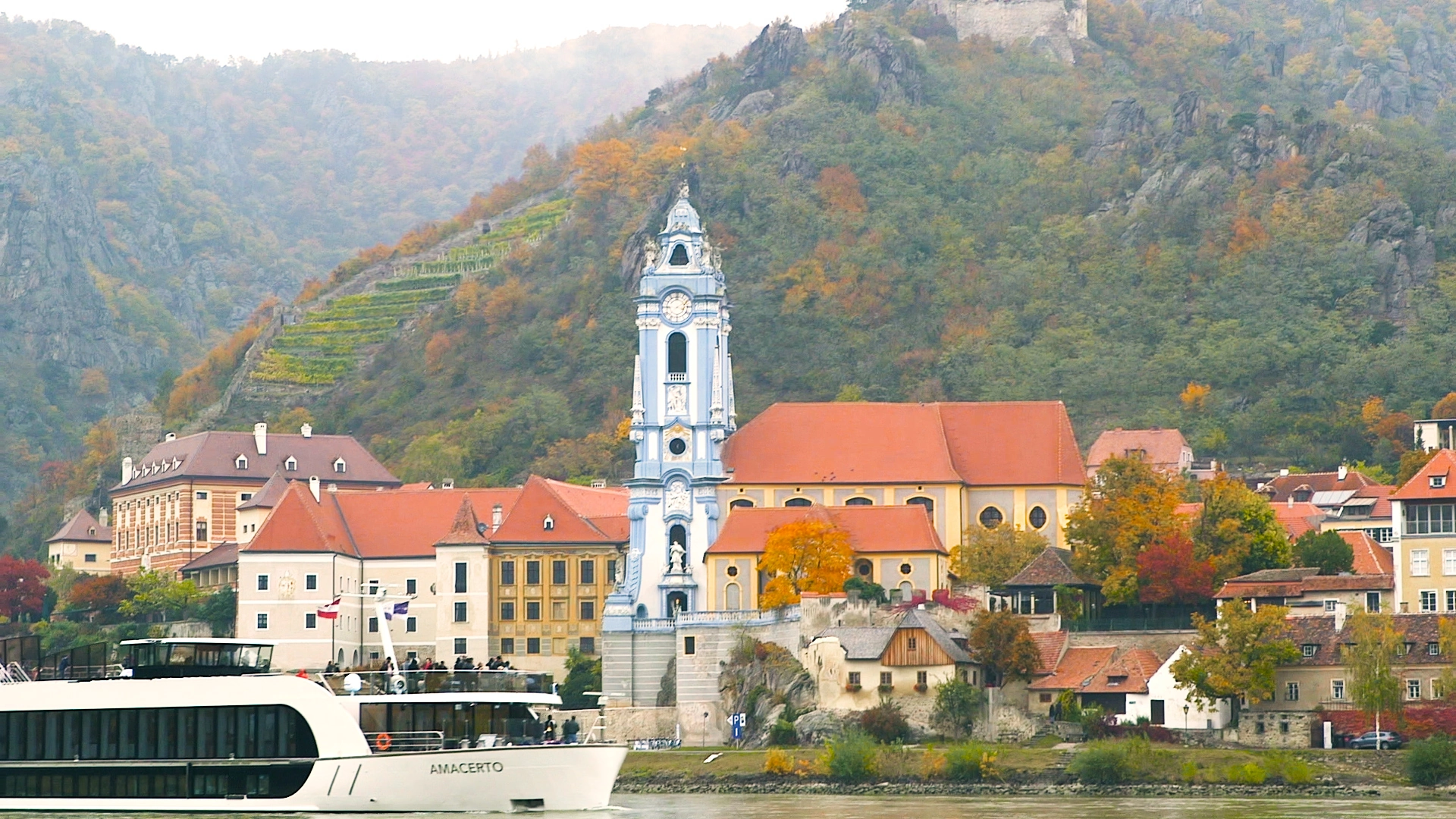
Discovering Danube River
To discover the Danube River is to follow a ribbon of history, culture and beauty that has shaped Central Europe for centuries. Flowing nearly 2,900 kilometers from the Black Forest to the Black Sea, the Danube was once a frontier of empires and a bustling trade artery; today, it is one of the most enchanting river routes a traveler can experience. Sailing it feels like gliding through the footnotes of a grand European novel—where medieval fortresses loom above vineyard terraces, baroque abbeys glow at sunset and capital cities rise in elegant sequence along its banks.
Unlike ocean cruising, discovering the Danube is about intimacy. Every bend offers a new scene: fishermen tending quiet morning nets, church spires punctuating pastel villages, cyclists tracing the riverside paths that parallel your slow, steady journey. The landscape is not overwhelming—it’s comforting, textured, deeply lived-in. River ships dock steps from old towns, meaning you can wander from ship to square in minutes, tasting pastries still warm from the oven or sipping wine in a shaded courtyard without ever feeling rushed.
What makes the Danube so captivating is its diversity. In a single week, you might explore Vienna’s grand opera halls, pedal through the Wachau’s apricot orchards, linger in Bratislava’s café-lined streets and watch Budapest’s bridges illuminate the night. Each culture along the river—Austrian, Slovak, Hungarian—adds a distinct voice, flavor and rhythm to the journey. Yet the river binds them together, giving travelers a seamless way to experience their differences and connections.
To discover the Danube is not simply to see Europe; it’s to feel its layers, its stories, its quiet harmony. It’s a journey of soft mornings, golden evenings and the gentle certainty that around the next bend lies something beautiful—waiting, timeless, and unmistakably Danube.
Aboard the AmaCerto
Boarding the AmaCerto is like stepping into a chic riverside boutique hotel that happens to drift gently through the heart of Europe. At roughly 135–140 metres in length and designed specifically for river workhorses of the Danube, AmaCerto balances thoughtful space with an intimate capacity: about 80–85 staterooms (depending on configuration), a handful of suites, and public areas that feel elegant rather than cavernous. Most cabins are outward-facing and many have French or full balconies that give you a front-row seat to the low-slung villages, crenellated ruins and vineyard terraces that slip by hour by hour.
Inside, AmaCerto leans modern and comfortable. Expect deluxe hotel-style bedding, climate control, roomy wardrobes and well-appointed bathrooms with multi-jet showers; attention to small comforts (bottled water replenished daily, flat-screen TVs, in-room infotainment/Entertainment-on-Demand systems with movies and music, and complimentary Wi-Fi) is part of the package. Suites enlarge the living area with sofas and extra seating; some higher-category cabins may include butler-style touches on selected departures. Public spaces are designed for sociable, relaxed travel: a panoramic lounge and bar with floor-to-ceiling windows offers a cosy place to watch the river slip past; a sun deck with loungers and seating is ideal for sunrise coffee or late-afternoon wine; and a small pool or heated plunge (on many Ama ships) is an unexpected, charming bonus after a day of sightseeing. There’s usually a boutique, a fitness area with equipment for a quick workout, and bicycles available for independent shore-side exploration—one of the company’s signature touches for the active traveller.
Dining is often a highlight: AmaWaterways tends to offer a main dining room with rotating menus, regional dishes spotlighting local ingredients, and an intimate, often reservation-only specialty restaurant for a tasting-menu evening. Meals lean tasteful and polished—warmed bread, multi-course dinners, and an emphasis on wines that reflect the river’s terroir. Service is typically attentive and professional, geared toward making logistics effortless so guests can enjoy the scenery instead of wrangling transfers.
The ship’s personality is a mix of understated luxury and cheerful conviviality. It’s built to feel personal—where staff learn names quickly and public spaces foster conversation—and practical—where elevators, well-marked walkways and calm decor make the ship easy to navigate. For photographers, the combination of wide windows and accessible open decks makes AmaCerto a strong choice: you can capture the Danube’s changing moods without missing the evening’s port talk.
Cruising with AmaWaterways
If river cruising were a personality, AmaWaterways would be the warm, cultured friend who knows the best cellar door, quietly smooths logistics and arranges the most flattering window seat. Founded in 2002 by experienced river-people with roots in Europe, the line has a distinctive ethos: high standards of comfort and service combined with regionally rich itineraries and a lively on-board culture that encourages active, engaged travel. The brand consistently ranks highly in industry awards for service and product—its emphasis is on making the river feel accessible, refined and local.
AmaWaterways’ personality is modern and family-led, with an eye for design, food and active excursions. It’s not buttoned-up or stodgy; rather, the line often injects a hint of contemporary color and energy into ship interiors and shore programs. They tend to feature multiple shore excursion tiers—classic walking tours, active biking or hiking options, and deeper cultural experiences—so the same sailing can satisfy a history buff, a cyclist, and someone who simply wants to linger in cafés. Included amenities frequently go beyond the basics: good food, curated wine pairings, bicycles for shore-side exploration, and a clear attention to service detail.
Who is the ideal AmaWaterways guest? Think curious travellers who want comfort without pretense. Couples in their 40s–70s dominate many departures, often celebrating anniversaries or long-held travel dreams; solo travellers and multigenerational pairs also appear, especially on family-friendly or holiday sailings. The ideal guest appreciates local culture—food markets, small museums, regional wines—and enjoys a program that offers both guided structure and free time for independent exploration. Active travellers who like to hike, bike or take alternative shore tours will particularly appreciate the line’s choices.
AmaWaterways also appeals to food-and-wine enthusiasts. The culinary program leans regional, and the line often arranges tastings, vineyard visits and themed dinners that highlight local producers. Their wine-forward approach—pairing, cellar curation and sometimes speciality wine cruises—means passengers who view travel through a gustatory lens will find many pleasures onboard and ashore.
Service style is polished but personable: staff are trained to be helpful without being intrusive, and shipboard life feels like staying at a well-run country house where the schedule is gently suggested rather than rigidly enforced. That makes AmaWaterways a good match for travellers who want a smart balance of discovery and ease—people who want to see the cultural riches of the Danube without the stress of micromanaging visas, transfers, or where to find the best schnitzel
Sipping the Danube: Unique Wine Regions of Austria & Hungary
The Danube corridor stitches together some of Central Europe’s most characterful wine territories, and two standouts—Austria’s Wachau and Hungary’s Tokaj—offer deeply local expressions that reward even casual sippers.
The Wachau (Lower Austria) is a narrow UNESCO-listed ribbon of terraced vineyards between Melk and Krems. Its steep, hand-built stone terraces, apricot orchards and monastic heritage create wines that are crystalline and terroir-driven—primarily Grüner Veltliner and Riesling. What sets Wachau wines apart is a local classification system (Steinfeder, Federspiel, Smaragd) that signals style and ripeness: Steinfeder tends toward lighter, low-alcohol, sprightly examples; Federspiel strikes a balanced medium; Smaragd denotes the ripest, richest and often age-worthy whites. These wines pair beautifully with the region’s river fish, savory pastries and the fresh herbs of Austrian cuisine. Bicycle-accessible cellar doors, family-run heurigers and tastings in tiny village rooms make the Wachau an especially intimate wine-tourism experience.
Tokaj in northeastern Hungary is the other great story of the Danube’s wine world—though geographically slightly removed from the main Austrian stretch, its cultural influence and historic trade links cross borders. Tokaj’s fame comes from Tokaji Aszú, the golden, botrytized sweet wine often cited as the first “noble rot” wine in the world. The Tokaj region (a UNESCO World Heritage cultural landscape) produces a range of wines from dry Furmint and Hárslevelű to the oiled, honeyed complexity of Aszú and Eszencia. Visiting cellars here is like stepping into living history: earthen or stone vaults, ancient cooperage, and vintners proud to demonstrate the careful, laborious process that turns botrytized berries into nectar.
For travellers on a Danube itinerary, both regions offer approachable contrasts: Wachau’s crisp mineral whites for daytime sipping and vineyard walks; Tokaj’s layered, often sweet treasures for evening conversation or to pair with dessert and blue cheeses. Wherever you stop, prioritize family cellars and small producers—they tend to embody the region’s story far better than larger commercial houses.
Most Recent from The Blog
- BREAKING NEWS: Royal Caribbean Group Buys 50% of Sandals Resorts – A Gamechanger for Caribbean - and Global? Cruising
- Gaudí at 100: Barcelona's Most Famous Architect "Raising the Roof" of the City
- The "Greatest Show on Earth:" Scotland's Royal Edinburgh Military Tattoo


